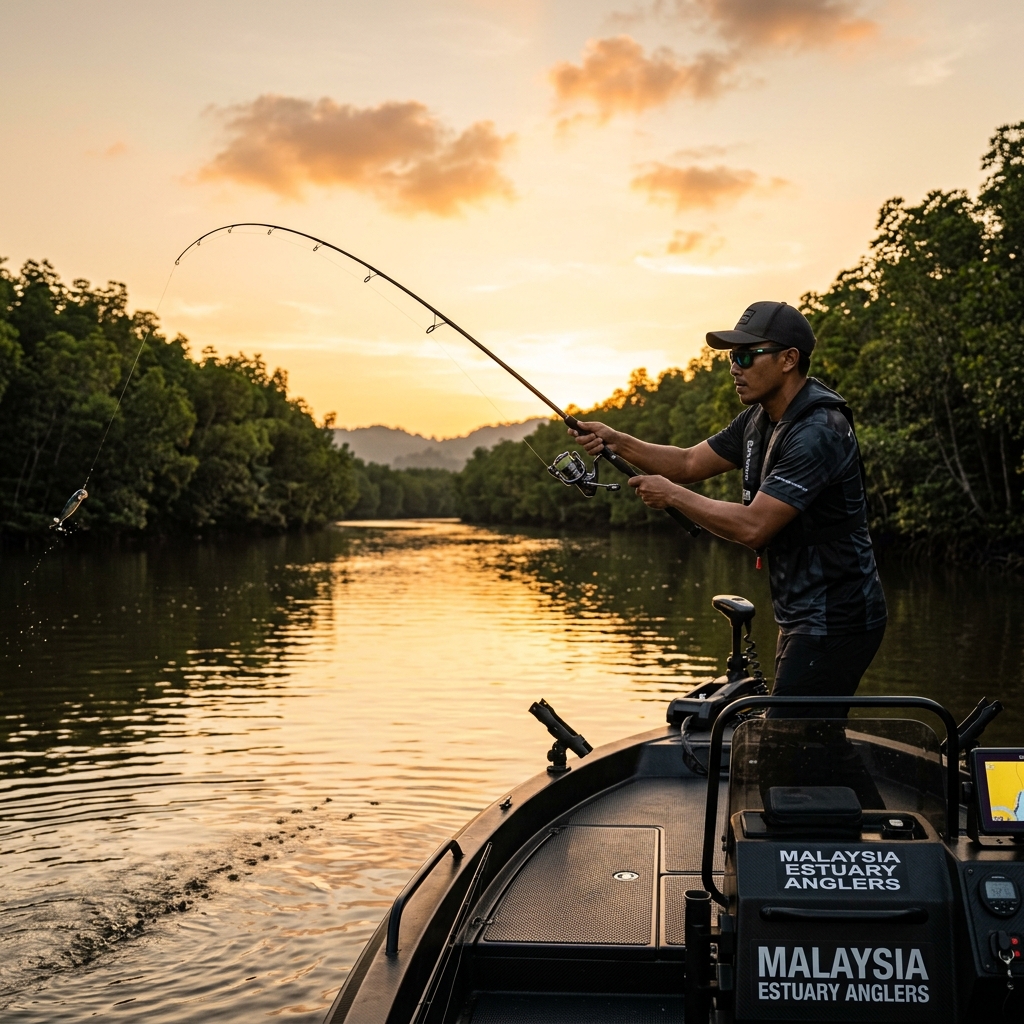
You've been watching fishing videos, scrolling through Joran Malaysia posts, and thinking — "I should try this." Good news: Malaysia is one of the best countries in the world to start fishing. Warm water year-round, diverse species, accessible spots, and budget-friendly gear mean there's genuinely nothing stopping you.
This guide covers everything you need to go from zero to your first catch. No fluff, no gatekeeping — just the essentials.
Table of Contents
- Do You Need a Fishing License?
- Your First Gear Setup: The Budget Combo
- Essential Tackle for Beginners
- Bait: What to Use
- The One Knot You Need: The Uni Knot
- Safety: Don't Skip This Section
- Conservation: Fish Responsibly From Day One
- Where to Fish First
- Your First Fishing Trip Checklist
- What's Next?
Do You Need a Fishing License?
Here's something that surprises most people: Malaysia does not require a general recreational fishing license for most public waterways. You can fish from jetties, beaches, and public ponds without any permit.
Exceptions you need to know:
- Marine parks (e.g., Redang, Tioman marine park zones) — fishing is restricted or prohibited in protected zones
- State parks (e.g., Taman Negara, Royal Belum) — require park entry permits and fishing permits
- Private lakes and pay ponds (kolam pancing) — pay the operator's fee
- Certain state regulations — some states have specific rules for freshwater fishing; check with your local Jabatan Perikanan
Pro Tip: When in doubt, ask local anglers or the nearest Jabatan Perikanan office. Most public rivers, lakes, and coastal areas are fair game for recreational fishing.
Your First Gear Setup: The Budget Combo
Forget the RM 2,000 setups you see on Instagram. Your first combo should be reliable, forgiving, and cheap enough that you won't cry if you drop it off a jetty.
The Bentara Recommended Beginner Combo
| Component | Model | Price |
|---|---|---|
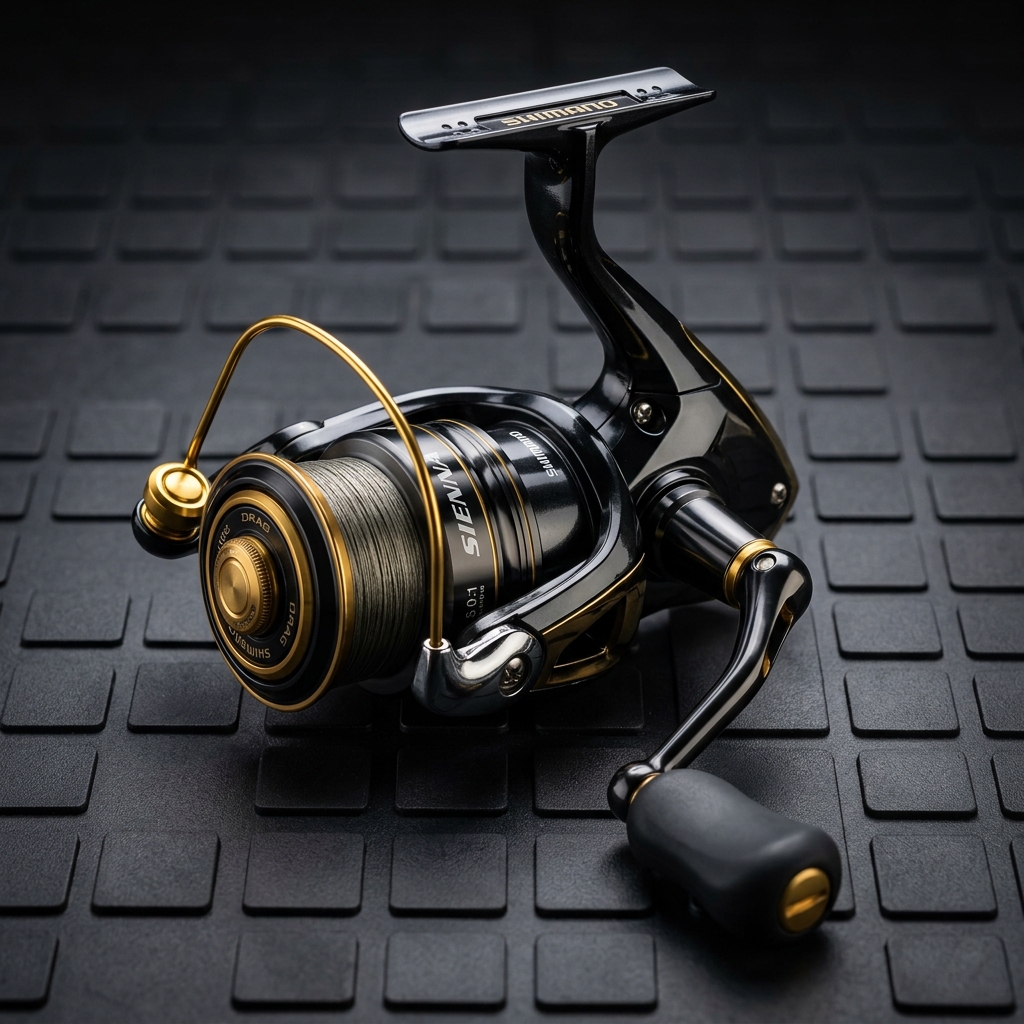
| Reel | Shimano Sienna 2500 FG | RM 100 – 130 |
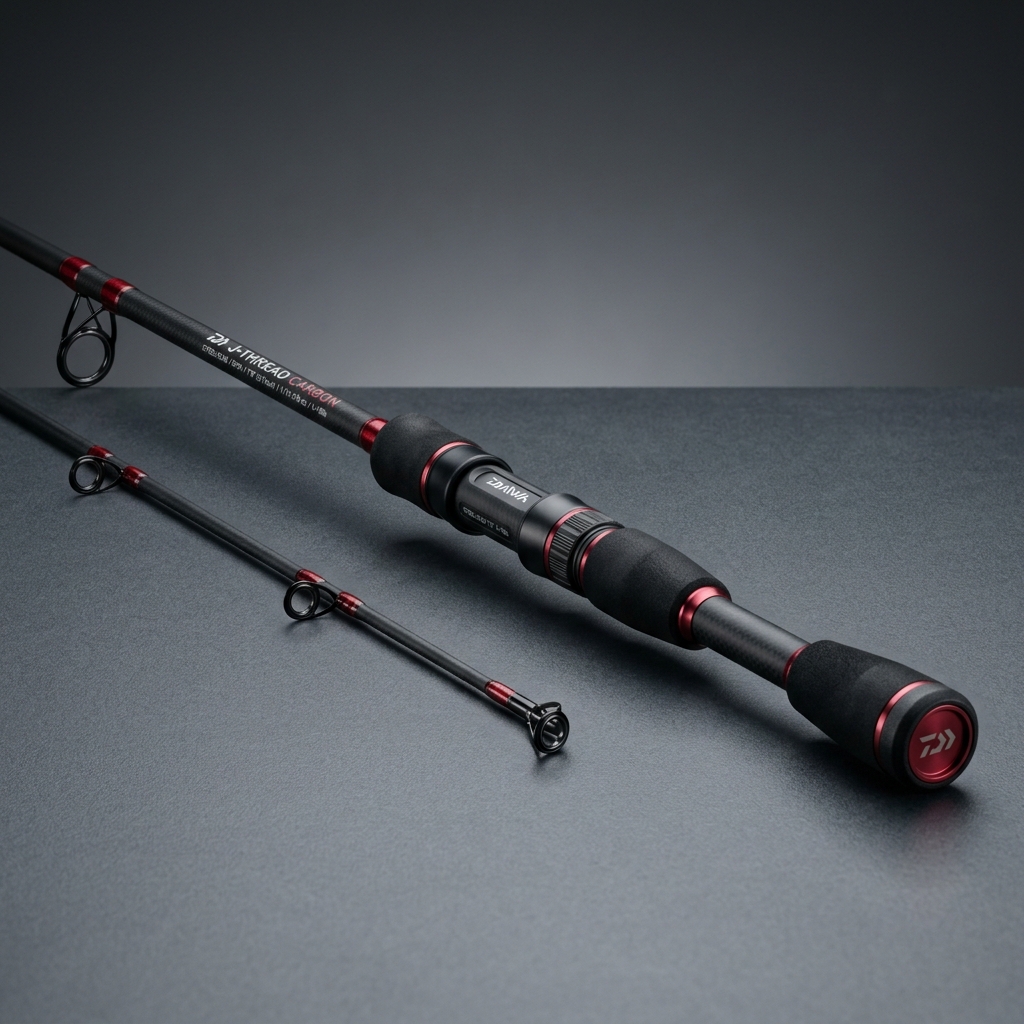
| Rod | Daiwa EBI X (7ft, medium action) | RM 40 – 110 |
| Total | RM 140 – 240 |
This combo handles 90% of what a beginner will encounter: bottom fishing from jetties, casting lures in ponds, and light spinning in estuaries.
Why these specific models?
- The Shimano Sienna is the most popular entry reel in Malaysia for a reason — it's smooth, durable, and available everywhere
- The Daiwa EBI X is a versatile medium-action rod that casts well and has enough backbone to handle unexpected bigger fish
- Both are widely available on Shopee, Lazada, and at TCE Tackles stores nationwide
Essential Tackle for Beginners
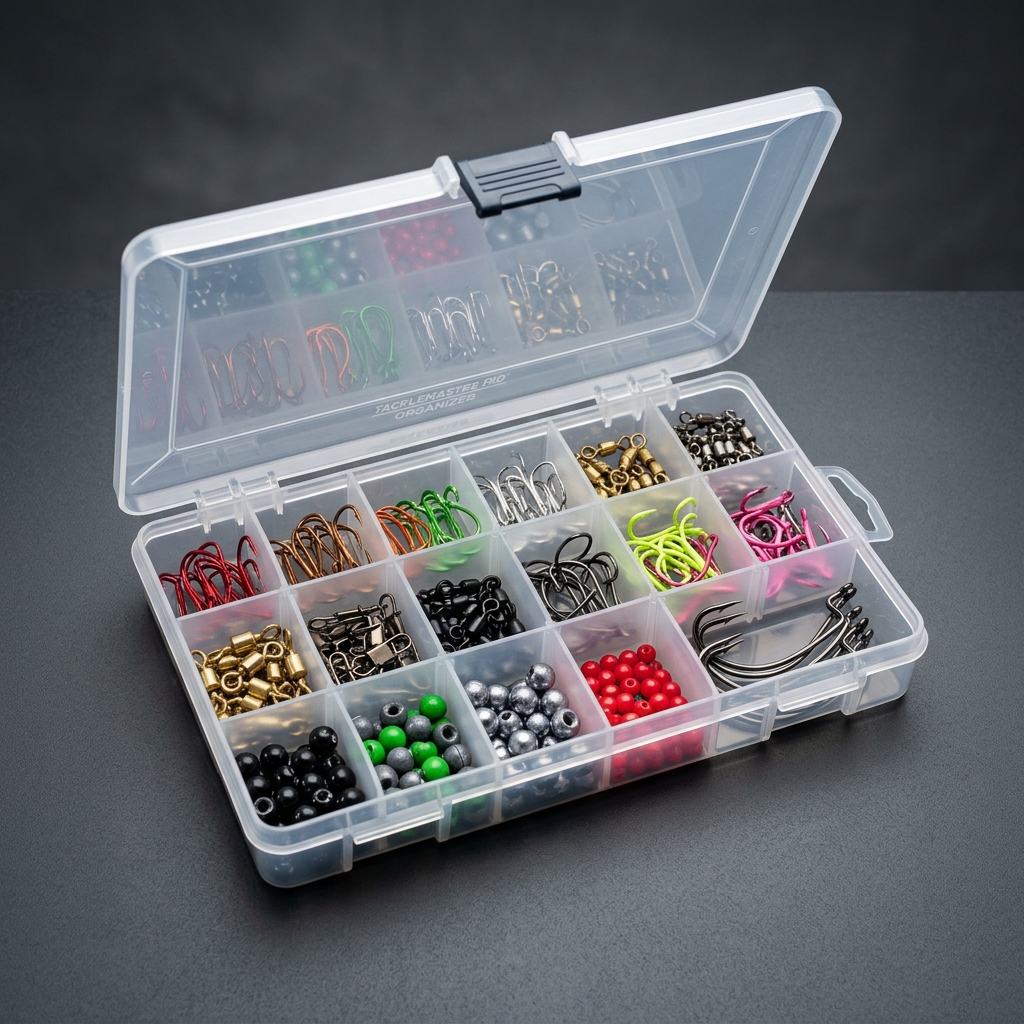
You don't need 50 lures and a tackle box the size of a suitcase. Start with these basics:
Must-Have Tackle Checklist
| Item | Size / Spec | Purpose | Est. Price |
|---|---|---|---|
| Hooks | #4 to 1/0 (assorted pack) | All-round bait fishing | RM 5 – 15 |
| Split-shot sinkers | Assorted weights | Getting bait down to the fish | RM 5 – 10 |
| Snap swivels | Size 6 – 10 | Quick lure changes, anti-tangle | RM 5 – 10 |
| Fishing line | 8 – 12 lb monofilament | All-purpose main line | RM 15 – 30 |
| Bobber/float | Clip-on type | Detecting bites, controlling depth | RM 3 – 8 |
| Fishing pliers | Any brand | Hook removal, cutting line | RM 15 – 40 |
| Small tackle box | Compartmented | Keeping everything organized | RM 10 – 25 |
Total starter tackle cost: RM 60 – 140
Combined with the rod and reel combo, you're looking at RM 200 – 380 total to be fully equipped. That's less than a decent pair of running shoes.
Bait: What to Use
Live Bait (Most Effective for Beginners)
Live bait is the easiest way to catch fish when you're starting out. The fish do most of the work.
- Udang hidup (live shrimp) — The universal bait in Malaysia. Works for siakap, jenahak, kerapu, and almost everything in saltwater. Buy from bait shops near any fishing jetty (RM 10 – RM 30 per portion).
- Cacing tanah (earthworms) — Classic freshwater bait. Excellent for haruan (snakehead), tilapia, and catfish. Dig your own or buy from tackle shops.
- Ikan bilis (small baitfish) — Effective for larger predators. Can be bought frozen or caught with a sabiki rig.
Artificial Baits (Once You're Ready to Level Up)
- Soft plastic worms/grubs — Cheap and versatile. Thread them on a jig head and retrieve slowly along the bottom.
- Small spinners (Mepps, Blue Fox) — The easiest lures to use. Just cast and reel — the blade does the work.
- Topwater frogs — When you're ready for the thrill of toman (snakehead) fishing, nothing beats a topwater frog explosion.
Pro Tip: Start with live bait to build confidence and learn fish behaviour. Once you're consistently catching fish on bait, transition to artificial lures for a more active and rewarding experience.
The One Knot You Need: The Uni Knot
You could learn 50 different knots, but you really only need one to start: the Uni Knot (also called the Duncan Loop).
Why the Uni Knot?
- Ties to hooks, swivels, AND lures
- Strong (retains 90%+ line strength when tied correctly)
- Easy to learn — even on the water with wet hands
- Works with monofilament, fluorocarbon, and braided line
How to Tie It
- Pass the line through the hook eye and double back, creating a loop alongside the standing line
- Make 5-6 wraps through the loop and around both lines
- Moisten the knot with saliva (reduces heat friction)
- Pull the tag end to tighten the wraps
- Slide the knot down to the hook eye and pull the main line to secure
Practice this knot 20 times at home before you go fishing. It should become muscle memory.
Safety: Don't Skip This Section
Malaysian waters are beautiful but they demand respect. Every year, preventable accidents happen because anglers ignored basic safety.
Essential Safety Rules
1. Wear a life jacket on boats — always
This is non-negotiable. Even if the charter captain doesn't provide one, bring your own. Drowning is the leading cause of fishing-related deaths in Malaysia.
2. Check weather before every trip
Malaysian weather shifts fast. Use the MetMalaysia app or website to check forecasts. If there's a thunderstorm warning, don't go — lightning on open water is lethal.
3. Crocodile awareness
This is not a joke. Saltwater crocodiles (buaya tembaga) are present in rivers and estuaries across Sabah, Sarawak, and parts of Peninsular Malaysia (especially Perak and Johor river mouths). Never wade in murky water in known crocodile territory. Stay in your boat.
4. Stonefish and stingray hazards
When wading in shallow saltwater — especially muddy estuaries and mangrove edges — shuffle your feet instead of stepping. Stonefish and stingrays bury themselves in the substrate, and stepping on one is excruciatingly painful (and potentially dangerous).
5. Sun protection
Tropical UV is intense. Wear UPF-rated clothing, sunscreen (SPF 50+), sunglasses, and a hat. Sunburn and heat exhaustion ruin more fishing trips than bad luck.
6. Tell someone your plan
Before any fishing trip — especially boat trips — tell someone where you're going and when you expect to return. This applies to jetty and river bank fishing too.
Conservation: Fish Responsibly From Day One
Catch-and-Release Best Practices
- Use barbless hooks or crimp the barb flat — easier hook removal, less damage to the fish
- Handle fish with wet hands — dry hands strip protective slime coating
- Keep the fish in water as much as possible — 30 seconds out of water is a long time for a fish
- Support the fish horizontally — don't hold it vertically by the jaw (damages internal organs)
- Revive exhausted fish by holding them facing into gentle current until they swim away strongly
Know the Protected Species
Some Malaysian fish species are protected by law:
- Kelah (Malaysian mahseer) — Catch-and-release only in most areas
- Terubuk (Tenualosa toli) — Protected during spawning season in Sarawak
- Patin buah (Pangasius spp.) — Protected in certain waterways
Pro Tip: When in doubt, release the fish. A fish returned alive can be caught again — and by someone else too. Conservation isn't just ethical, it's practical: healthy fish populations mean better fishing for everyone.
Where to Fish First
Best Beginner-Friendly Spots
- Kolam pancing (pay ponds) — Perfect starting point. Stocked with fish, facilities available, and you're guaranteed catches. RM 20 – RM 50 entry. Find them on Google Maps.
- Public jetties — Penang, Port Klang, Kuala Selangor, and Desaru have accessible jetties. Drop a baited hook to the bottom and wait.
- Urban parks with fishing areas — Putrajaya Lake, Tasik Shah Alam, and Taman Metropolitan have designated fishing zones.
- River mouths and estuaries — Once you've built confidence, these transitional zones between fresh and saltwater hold diverse species.
Your First Fishing Trip Checklist
- Rod and reel combo (spooled with 10lb mono)
- Hooks, sinkers, swivels
- Bait (live shrimp or worms)
- Fishing pliers
- Small tackle box
- Sunscreen SPF 50+
- Hat and sunglasses
- Water bottle (at least 1.5L)
- Plastic bag for trash (leave no trace)
- Phone (charged, in waterproof pouch)
- Towel
- Small first aid kit
What's Next?
Once you've caught your first fish — and you will — the addiction starts. Here's a natural progression path:
- Month 1-3: Master bait fishing at kolam pancing and jetties
- Month 3-6: Learn lure fishing — start with soft plastics and spinners
- Month 6-12: Target specific species — toman (snakehead) or siakap (barramundi)
- Year 2+: Explore boat fishing, jigging, popping, and destination trips
Ready to upgrade your gear? Check out our guide to the Best Fishing Rods & Reels in Malaysia and make sure you're protected from the sun with the Best Fishing Clothing.
Welcome to the community. The water's waiting.